Introduction
Are you thinking about improving your smile? Veneers might be the answer. Veneers are thin covers placed on the front of your teeth. They can fix chips, stains, or gaps. Many people choose veneers for a smile makeover. In this guide, you will learn everything you need to know before getting veneers. We will cover types, benefits, risks, costs, and care tips. Let’s get started!
What Are Dental Veneers?
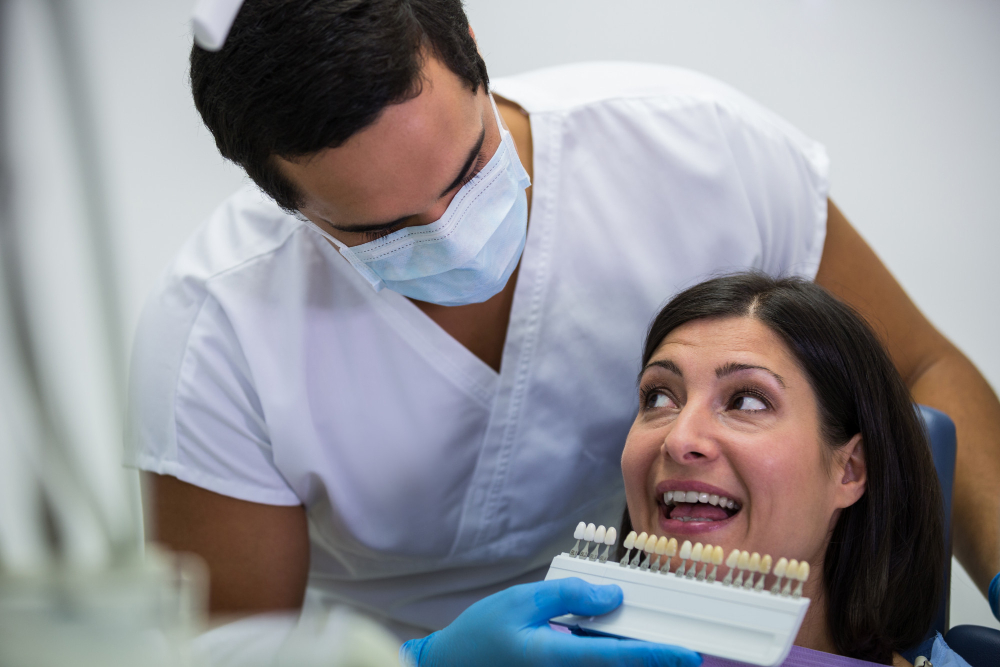
Dental veneers are thin shells made to fit over the front of your teeth. Usually, dentists use them to improve the look of teeth. For example, veneers can hide stains, cracks, or uneven teeth. Dentists bond them to your natural teeth using a special glue. Veneers are a popular option in cosmetic dentistry. According to the American Dental Association (ADA), veneers are safe and effective when done by a trained dentist.
Types of Veneers
There are two main types of dental veneers. Each type has its own benefits. Let’s look at both:
Some people also ask about no-prep veneers. These need less tooth removal. However, they may not work for everyone.
Who Is a Good Candidate for Veneers?
Not everyone is a good fit for veneers. Still, many people can benefit. You may be a good candidate if you:
However, people with gum disease or weak teeth may need other treatments first. Always talk to your dentist before deciding.
Benefits of Veneers
Veneers offer many benefits. For instance, they can:
Because veneers look natural, many people choose them for a smile makeover.
Potential Risks and Considerations
Even though veneers are safe, there are some risks. For example, your dentist must remove a thin layer of enamel. This step is not reversible. Also, veneers can chip or break if you bite hard objects. Sometimes, your teeth may feel sensitive after the procedure. Veneers may need to be replaced after several years. According to the ADA, proper care can help them last longer.
The Veneer Procedure: Step-by-Step
Getting veneers usually takes two or three visits. Here is what you can expect:
After the procedure, you can return to normal activities right away.
Aftercare and Maintenance Tips
Taking care of your veneers is simple. Still, you should follow these tips:
With good care, veneers can last 10 years or more.
Cost and Insurance Considerations
The cost of veneers can vary. Porcelain veneers usually cost more than composite ones. On average, each veneer can cost between $800 and $2,500. Most dental insurance plans do not cover cosmetic dentistry. However, some plans may help if veneers fix a medical issue. Always check with your insurance provider before starting treatment.
Frequently Asked Questions
Conclusion
Veneers can help you achieve a brighter, more even smile. They are a safe and popular choice in cosmetic dentistry. However, it is important to know the benefits, risks, and costs before making a decision. Consult Dr. Sonica Raju, a qualified dentist, to find out if veneers are right for you.