Introduction
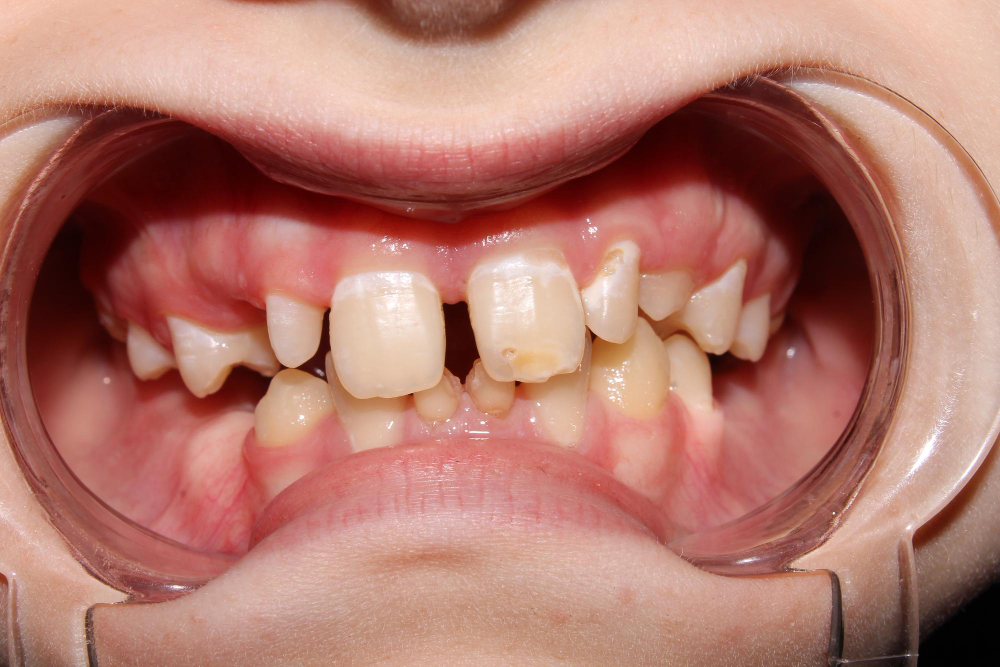
Malocclusion means your teeth are not lined up properly. Many people wonder about the root causes of malocclusion. Dental misalignment causes can range from genetics to habits. But why does malocclusion happen? There are several malocclusion risk factors, including family history and early childhood habits. Understanding these reasons can help you protect your dental health. In the US, malocclusion is common, but early care can make a big difference.
What is Malocclusion?
Malocclusion is a dental term for crooked teeth or a poor bite. When teeth do not fit together well, it can cause problems. For example, you may have trouble chewing or cleaning your teeth. Sometimes, malocclusion can also affect your speech. Although some people have only mild misalignment, others may need dental treatment. According to the American Association of Orthodontists, most people have some degree of malocclusion.
Common Root Causes of Malocclusion
There are many root causes of malocclusion. Some are present at birth, while others develop over time. Knowing these causes can help you prevent or treat dental misalignment. Here are some common reasons:
Because these factors can add up, it is important to watch for early signs.
Genetic Factors
Often, genetics play a big role in dental misalignment. If your parents had crooked teeth, you might have them too. In fact, the shape and size of your jaw are passed down from your family. Sometimes, a small jaw can cause teeth to crowd. Other times, a large jaw may leave gaps. According to the CDC, genetics are a leading cause of malocclusion in children and adults.
Environmental and Lifestyle Factors
Besides genetics, your environment and habits matter. For example, poor nutrition during childhood can affect jaw growth. Also, injuries to the mouth or jaw can change how teeth line up. If you lose a tooth and do not replace it, nearby teeth may shift. In addition, untreated dental problems, like cavities, can lead to misalignment. Therefore, regular dental checkups are important for everyone.
Childhood Habits Affecting Dental Alignment
Some habits in childhood can cause malocclusion. These habits may seem harmless, but over time, they can change how teeth grow. Common habits include:
Because these habits are common, parents should watch for them. Early action can help prevent dental misalignment.
When to Seek Dental Advice
It is important to know when to see a dentist about malocclusion. You should seek advice if you notice:
Even if symptoms are mild, early dental visits can help. Dentists can spot problems before they get worse. According to the WHO, early treatment can prevent future dental issues.
Prevention and Early Intervention
Although you cannot change your genes, you can lower other risks. Here are some tips for prevention and early care:
Because early action is key, parents should watch for signs of misalignment in children. Dentists can suggest treatments like braces or retainers if needed.
Conclusion
Malocclusion has many root causes, from genetics to daily habits. However, early care and good dental habits can help prevent or treat dental misalignment. If you have concerns, consult Dr. Sonica Raju for personalized advice on malocclusion and its causes.