Introduction to Onlays and Inlays
Many people want to know about dental restoration options. Onlays and inlays – when to use them – is a common question. Both are special fillings made outside the mouth. Dentists use them to fix teeth that have damage or decay. Inlays fit inside the top edges of a tooth. Onlays cover one or more of the tooth’s edges. Both help save your natural tooth and restore its shape.
When Dentists Recommend Onlays or Inlays
Sometimes, a regular filling is not enough. However, a full crown may not be needed. In these cases, dentists may suggest onlays or inlays. They are often used when:
In short, onlays and inlays are great tooth repair solutions for moderate damage.
Symptoms or Dental Issues That May Require These Restorations
Many people wonder if they need onlays or inlays. Look for these signs:
But, only a dentist can say for sure if you need these treatments.
How Dentists Decide If Onlays or Inlays Are Right for You
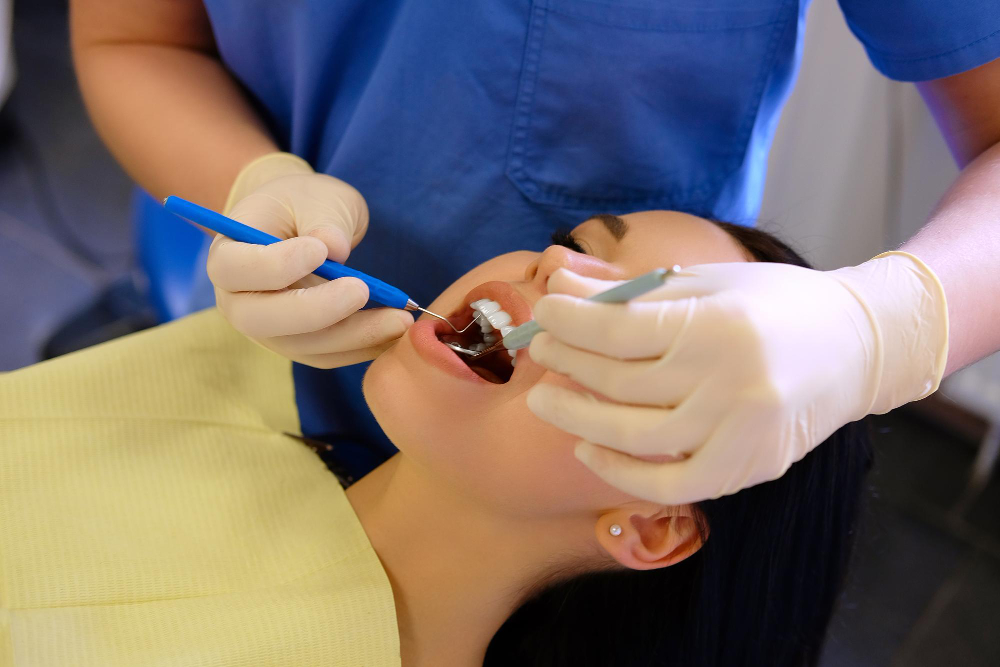
First, your dentist will check your teeth. They may use X-rays to see the damage. Next, they will talk about your options. If the tooth can be saved, they may suggest an inlay or onlay. This choice depends on how much of the tooth is affected. Your dentist will explain the best dental restoration options for your needs.
What to Expect During the Treatment Procedure
Knowing what happens during treatment can help you feel at ease. Here is a simple step-by-step guide:
The whole process usually takes two visits.
Benefits and Possible Risks
Onlays and inlays offer many benefits. For example, they:
However, there are some risks. Sometimes, the inlay or onlay may come loose. Rarely, you may feel tooth sensitivity. But, most people do well with these treatments.
Aftercare and Lifestyle Guidance
After getting an onlay or inlay, you should care for your teeth as usual. Still, there are some tips to follow:
With good care, your dental restoration can last many years.
Prevention Tips for Avoiding Extensive Dental Restorations
It is always better to prevent dental problems. Here are some easy ways to protect your teeth:
By following these tips, you can lower your risk of needing tooth repair solutions.
Frequently Asked Questions (FAQs) About Onlays and Inlays
Conclusion
Onlays and inlays are safe and effective dental restoration options. They help save your natural teeth and restore your smile. If you have tooth damage, do not wait. Consult Dr. Sonica Raju to find out if onlays or inlays are right for you..