What is Pulp Capping in Children?
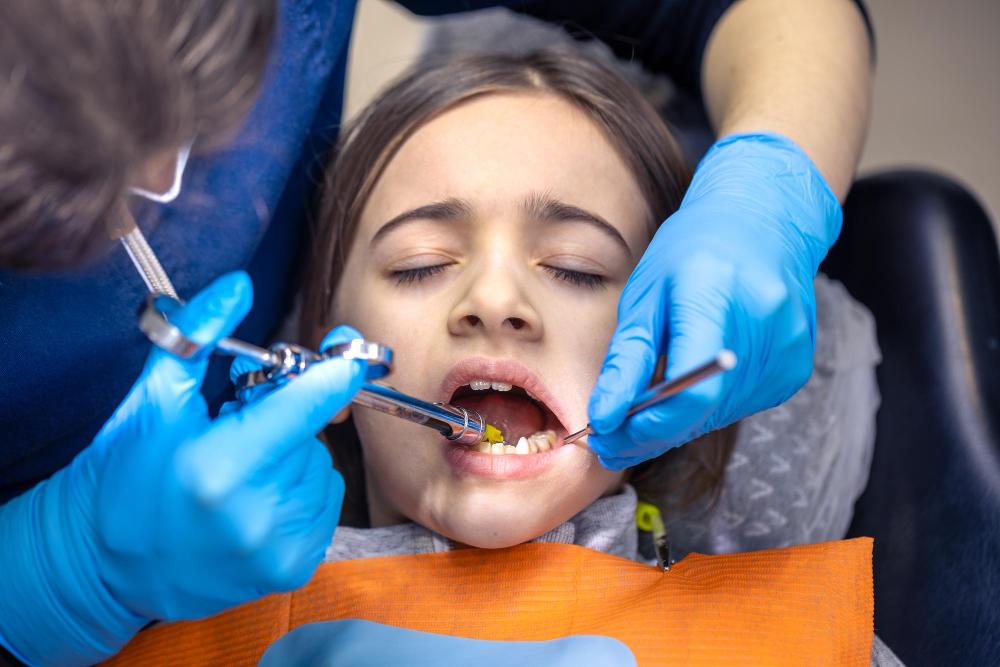
Pulp capping in children is a dental treatment that helps save a child’s tooth when the soft center, called the pulp, is at risk. The pulp contains nerves and blood vessels. Sometimes, it gets exposed or nearly exposed due to tooth decay or injury. In these cases, pulp capping can protect the pulp and help the tooth heal. This treatment is common in children’s dental care because it can prevent the need for tooth removal.
Why is Pulp Capping Needed?
Children’s teeth can get damaged for many reasons. For example, tooth decay, cavities, or accidents may harm the pulp. When the pulp is exposed or almost exposed, bacteria can enter and cause pain or infection. Therefore, pulp capping is recommended to keep the tooth alive and healthy. Dentists often suggest this treatment when:
According to the American Dental Association (ADA), early treatment can help avoid more serious dental problems later.
Types of Pulp Capping (Direct vs. Indirect)
There are two main types of pulp capping in children. Each type is chosen based on the condition of the tooth.
Both methods aim to keep the tooth alive and avoid more invasive treatments.
The Pulp Capping Procedure
The pulp capping procedure is simple and safe. Here is a step-by-step overview:
The whole process usually takes one visit. However, the dentist may schedule a follow-up to check healing.
Benefits and Risks of Pulp Capping in Children
Pulp capping offers many benefits for children’s dental health. For instance, it can:
However, there are some risks. Sometimes, the pulp may not heal as expected. In rare cases, infection or pain may return, and the tooth may need further treatment. Still, most children recover well when the procedure is done early and aftercare instructions are followed.
Aftercare and Recovery Tips for Parents
After pulp capping, caring for your child’s tooth is important. Here are some helpful tips:
If you notice any unusual symptoms, contact your child’s dentist right away. Early action can prevent complications.
Prevention: How to Protect Your Child’s Teeth
Preventing tooth decay is the best way to avoid pulp capping. You can help your child by:
According to the CDC, good oral hygiene and regular dental visits can greatly reduce the risk of cavities in children.
In summary, pulp capping in children is a safe and effective way to save teeth and prevent further problems. If you have concerns about your child’s teeth, consult Dr. Sonica Raju for personalized advice on pulp capping in children.