What Are Dental Caries?
Dental caries, also known as tooth decay or cavities, are damaged areas in the hard surface of your teeth. These spots can turn into tiny holes or larger gaps over time. In fact, dental caries are one of the most common health problems worldwide, according to the World Health Organization (WHO). While anyone can get dental caries, children, teens, and older adults are at higher risk. Because dental caries can lead to pain and infection, it is important to know how to spot and prevent them.
Common Causes of Dental Caries
Dental caries develop when bacteria in your mouth make acids that attack your teeth. Over time, these acids can break down the tooth surface. However, several factors can increase your risk of tooth decay:
Because these habits can harm your teeth, it is important to practice good oral care every day.
Recognizing Symptoms of Dental Caries
At first, dental caries may not cause any pain or discomfort. But as the decay gets worse, you may notice some signs. For example, you might see:
Because these cavity symptoms can get worse over time, early treatment is best.
How Dental Caries Are Diagnosed
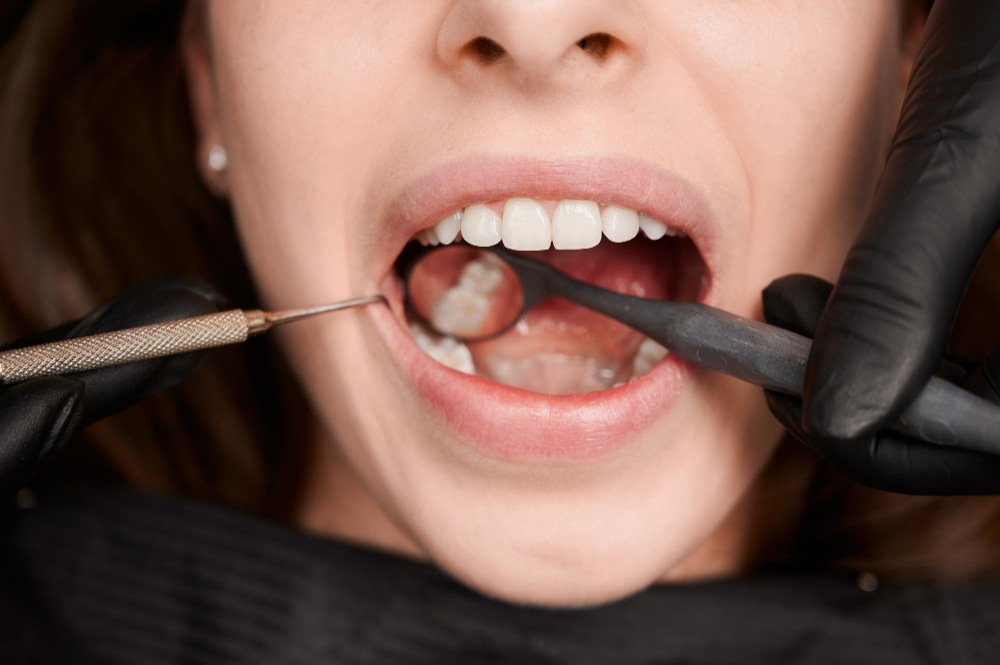
Your dentist can find dental caries during a regular check-up. Usually, they will look for soft spots or holes in your teeth. In addition, your dentist may use X-rays to see hidden decay between teeth. Sometimes, they use special tools to check for weak spots. Early diagnosis helps prevent more serious problems later. According to the Centers for Disease Control and Prevention (CDC), regular dental visits are key for good oral health.
Treatment Options for Dental Caries
Treatment for dental caries depends on how much damage there is. However, your dentist will suggest the best option for you. Common dental caries treatments include:
Because early treatment is easier and less costly, do not delay seeing your dentist.
Tips for Preventing Dental Caries
Good oral health tips can help you avoid dental caries. For example, you can:
Because prevention is better than cure, these steps can help keep your teeth healthy.
When to See a Dentist
If you notice any signs of dental caries, such as tooth pain or spots, see a dentist soon. Even if you have no symptoms, regular dental visits are important. Early care can prevent small problems from becoming bigger ones. Your dentist can also provide advice on tooth decay prevention and personalized oral health tips.
For the best care, consult Dr. Sonika Raju for personalized advice on preventing and treating dental caries.