What Are Dental Veneers?
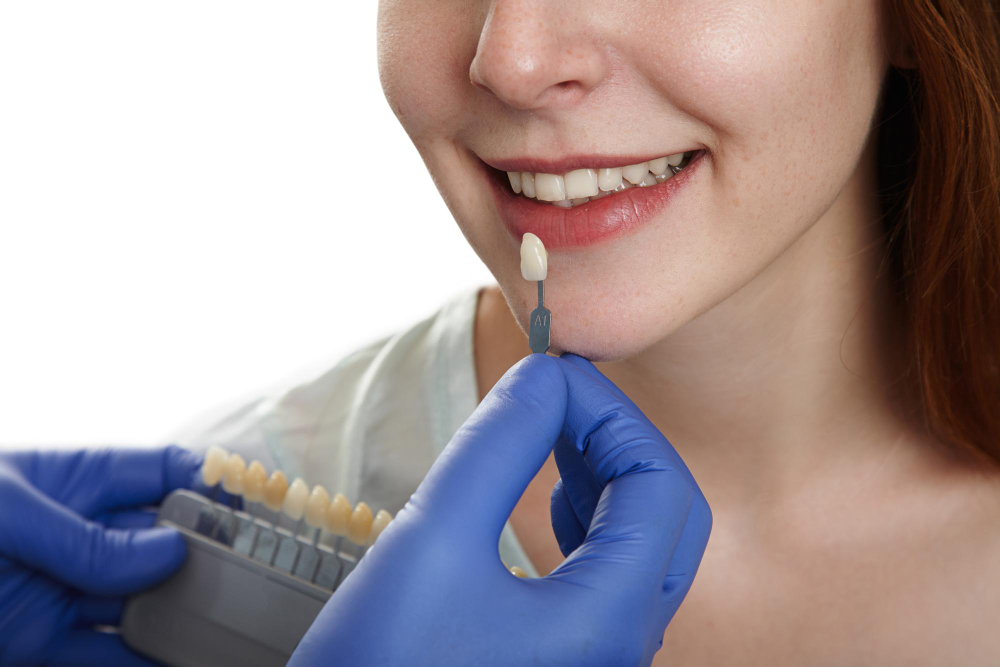
Dental veneers are thin shells that cover the front of your teeth. Usually, they are made from porcelain or resin. Dentists use veneers to improve the look of your smile. For example, they can fix chipped, stained, or uneven teeth. Many people choose dental veneers as a popular cosmetic dentistry option. Veneers look natural and blend in with your other teeth.
Benefits of Dental Veneers
Dental veneers offer many advantages. Not only do they improve your smile, but they also boost your confidence. Here are some key benefits:
Because of these benefits, many people choose veneers for a brighter, more even smile.
Who Is a Good Candidate?
Not everyone is the right fit for dental veneers. However, you may be a good candidate if:
Still, your dentist will check your mouth and discuss your goals. In some cases, other cosmetic dentistry options may work better for you.
The Dental Veneer Procedure (Step-by-Step)
Getting dental veneers usually takes two or three visits. Here is what you can expect:
Because each step is important, always follow your dentist’s advice.
Risks and Potential Side Effects
Although dental veneers are safe, there are some risks. It is important to know these before starting the porcelain veneers procedure:
However, most side effects are mild and temporary. If you have concerns, talk to your dentist right away.
Aftercare and Maintenance Tips
Proper dental veneer aftercare helps your veneers last longer. Here are some simple tips:
Because veneers can stain, limit coffee, tea, and red wine. With good care, veneers can last 10 years or more.
Frequently Asked Questions
How long do dental veneers last?
With proper care, veneers often last 10 to 15 years.
Are veneers permanent?
Yes, the process is not reversible because enamel is removed.
Do veneers require special care?
No, just follow good oral hygiene and avoid biting hard objects.
Can anyone get dental veneers?
Most healthy adults can, but your dentist will decide if you are a good candidate.
Are veneers covered by insurance?
Usually, dental insurance does not cover cosmetic dentistry options like veneers. However, check with your provider.
Conclusion and Call-to-Action
“Dental veneers can transform your smile and boost your confidence. They offer a safe and lasting solution for many cosmetic dental issues. However, it’s important to understand the benefits, risks, and aftercare involved. If you’re considering dental veneers, consult Dr. Sonica Raju, a qualified dentist, to determine if they are the right choice for your smile.”