Introduction
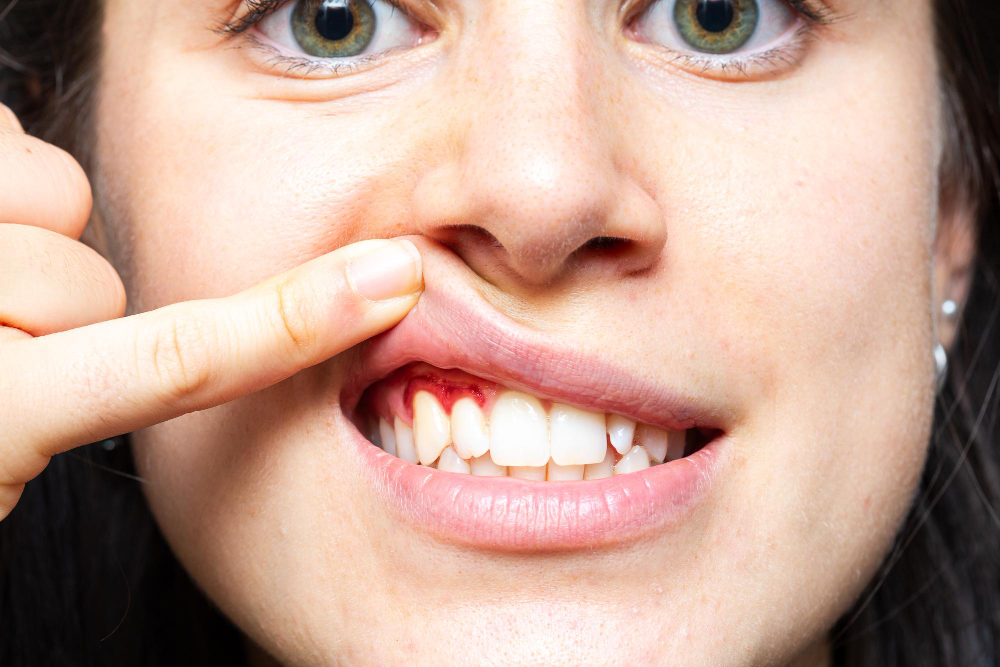
Gum recession happens when the gum tissue around your teeth pulls back or wears away. As a result, more of your tooth or its root becomes exposed. Gum recession can lead to tooth sensitivity, decay, and even tooth loss if left untreated. Because healthy gums are vital for a strong smile, understanding gum recession is important for everyone. Early care and good habits can help protect your oral health.
What is Gum Recession?
Gum recession means your gums move away from your teeth. This process exposes more of your tooth or the tooth’s root. Over time, this can make teeth look longer. It can also make them feel sensitive. Gum recession is a common dental problem, but many people do not notice it right away. However, catching it early can help prevent more serious issues.
Causes of Gum Recession
Many factors can lead to gum recession. Knowing the causes can help you protect your gums. Some common causes include:
Symptoms of Gum Recession
It is important to notice the signs of gum recession early. Some symptoms to watch for include:
Sometimes, gum recession happens slowly. Therefore, you may not notice changes right away. Regular dental checkups can help catch problems early.
Diagnosis
Dentists use several methods to diagnose gum recession. First, they will look at your gums and teeth during a dental exam. They may use a small tool to measure how much your gums have pulled away from your teeth. This is called measuring the “pocket depth.” In some cases, dentists may take X-rays to check for bone loss around the teeth. Early diagnosis helps prevent further damage and guides the best treatment plan.
Treatment Options
Treatment for gum recession depends on how severe it is. Some options include:
Because each case is different, your dentist will suggest the best treatment for you.
Prevention Tips
Preventing gum recession is possible with good daily habits. Here are some tips to help keep your gums healthy:
By following these steps, you can lower your risk of gum recession and keep your smile healthy.
When to See a Dentist
If you notice signs of gum recession, do not wait. See a dentist at Dr. Sonica Raju’s Clinic if you have sensitive teeth, gums that bleed, or teeth that look longer. Early treatment can prevent further damage and protect your oral health. Regular dental visits are key to catching problems before they get worse.
If you notice signs of gum recession, consult Dr. Sonica Raju for personalized advice. Early care can help save your teeth and gums.