What is TMJ Disorder?
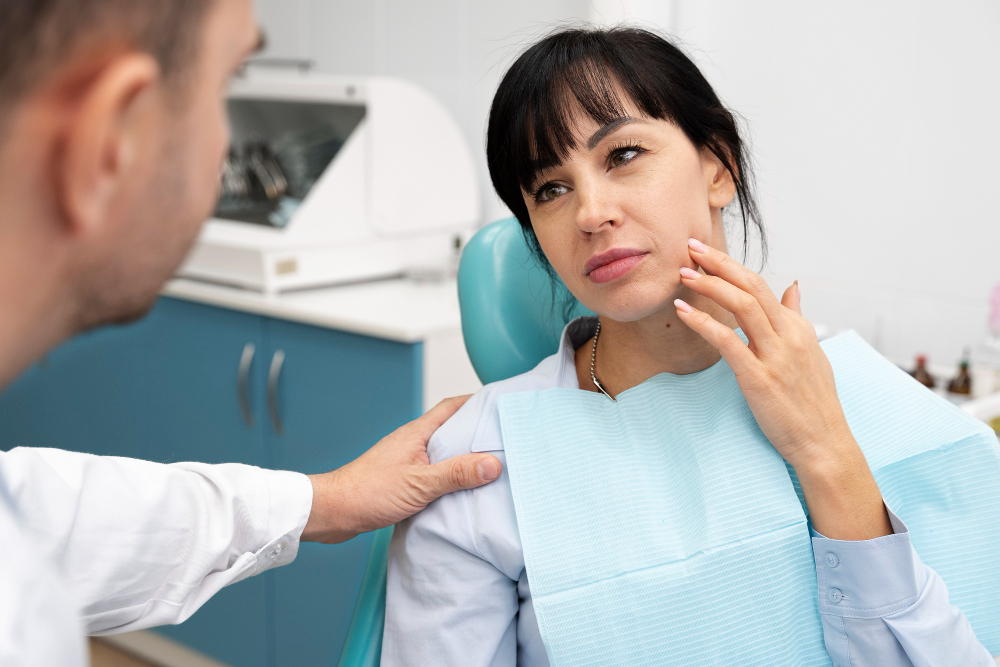
TMJ Disorder affects the temporomandibular joint, which connects your jaw to your skull. This joint helps you chew, talk, and yawn. When it does not work well, you may feel pain or discomfort. TMJ Disorder is common and can affect people of all ages. Many people search for answers about jaw pain causes and how to relieve TMJ pain. Understanding this condition can help you find the right treatment near you.
Common Symptoms of TMJ Disorder
TMJ Disorder can cause many symptoms. Some people have mild discomfort, while others feel severe pain. Often, symptoms may come and go. However, knowing what to look for can help you get help sooner. Common signs include:
If you notice these symptoms, it is important to pay attention. Sometimes, symptoms may get worse with stress or chewing.
Causes and Risk Factors
There are several causes of TMJ Disorder. Sometimes, the exact reason is not clear. But, certain factors can increase your risk. For example, injury to the jaw or joint can lead to problems. Other common causes and risk factors include:
In addition, habits like chewing gum often or biting your nails may make symptoms worse. Knowing these risks can help you prevent TMJ Disorder or manage it better.
How TMJ Disorder is Diagnosed
Diagnosing TMJ Disorder usually starts with a dental exam. Your dentist will ask about your symptoms and check your jaw. They may listen for clicking sounds or feel for tenderness. Sometimes, they will ask you to open and close your mouth. If needed, your dentist may order tests such as:
These tests help rule out other problems and confirm TMJ Disorder. Early diagnosis can lead to better treatment results.
Treatment Options for TMJ Disorder
There are many ways to treat TMJ Disorder. The right option depends on your symptoms and their cause. Often, simple treatments work well. For example, your dentist may suggest:
In some cases, your dentist may recommend physical therapy or prescribe stronger medicines. Rarely, surgery may be needed if other treatments do not help. Always talk to your dentist about the best TMJ disorder treatment near you.
Lifestyle Tips and Prevention
Making small changes can help prevent TMJ Disorder or reduce symptoms. For instance, you can:
These tips can make a big difference in your daily comfort. However, if symptoms return, do not ignore them.
When to See a Dentist or Specialist
If you have jaw pain that doesn’t go away, or if you have trouble opening your mouth or hear loud clicking sounds, it’s time to see a dentist. Early care can help prevent the problem from getting worse. In some cases, your dentist may refer you to a TMJ specialist for advanced care. Remember, getting the right diagnosis is key to finding relief.
For personalized advice on TMJ Disorder, consult Dr. Sonika Raju, a dental specialist. They can help you find the best treatment for your needs.